


The Maximilian
A Bold Dose of Luxury
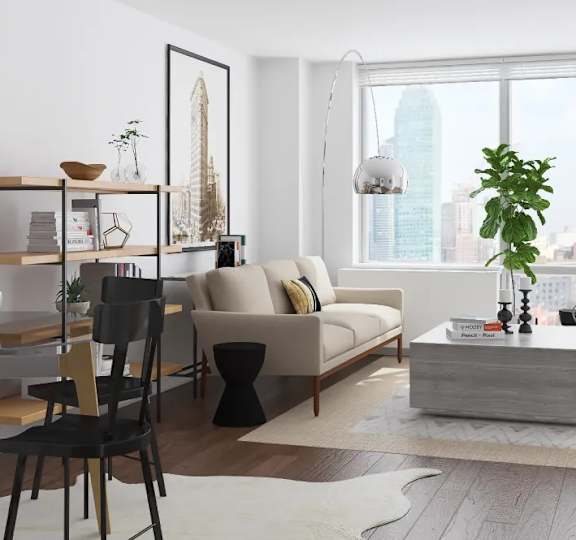
Welcome to The Maximilian, where city energy meets modern comfort in the heart of Long Island City, Queens. Whether you're looking for a studio, one-, or two-bedroom apartment, you'll find thoughtfully designed spaces with sleek stainless-steel appliances, hardwood floors, and plenty of natural light. Love your pet? So do we! Our apartments in Long Island City are pet-friendly, meaning your furry companion is just as welcome here as you are!
Explore the Residences page to learn more and to schedule an appointment for your exclusive tour.

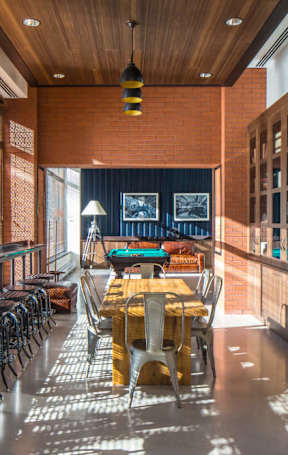
MODERN LIVING INFUSED WITH ENERGY
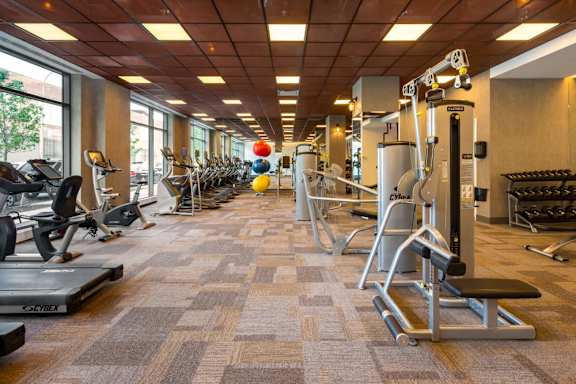
FITNESS CENTER
Easy to keep fit
Convenient & Designed for Your Lifestyle
On Every Floor
PET FRIENDLY
We love our furry friends!
UNLOCK THE DOOR TO A WONDER OF THE WORLD


THE NEIGHBORHOOD
Discover The Maximilian, a pet-friendly community in the heart of Long Island City, Queens. Our Hunters Point apartments in NYC offer the perfect balance of modern convenience and city living, with everything you need just steps away.
Schedule a tour to view your dream home today.

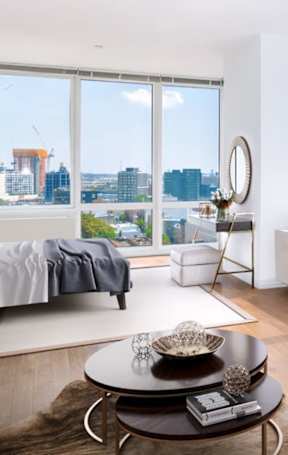
ALL FRILLS INCLUDED
At The Maximilian, the thoughtfully curated amenities of our Long Island City, NY apartments are designed to elevate your everyday living experience. We provide everything you need for a seamless and stress-free lifestyle in the heart of Manhattan. Explore our photo gallery to see firsthand the exceptional features that make our apartments for rent in Queens the perfect place to call home.